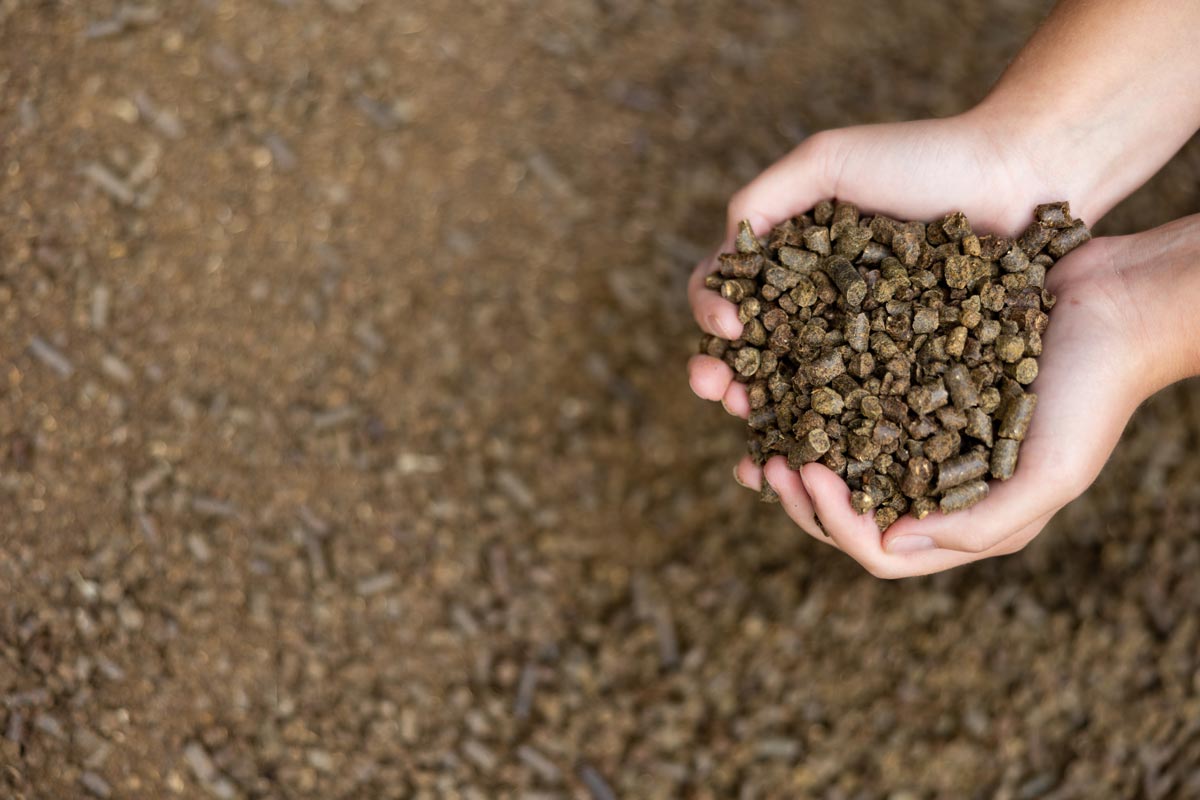
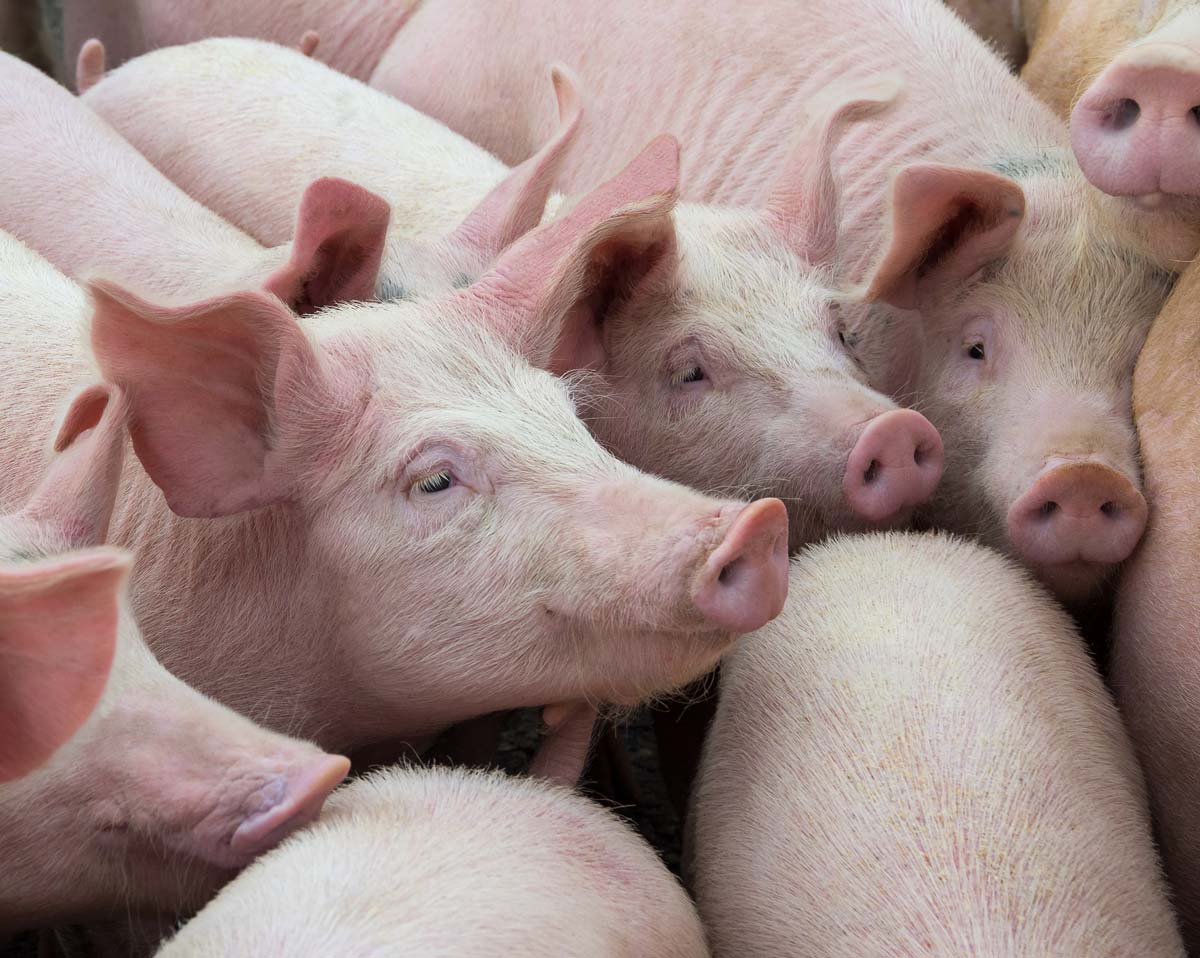
A total of 600,000 tonnes of raw material is used annually, half of which is pig manure. In addition, manure from other animals, biomass from fields, crop residues and clean side streams from the food industry are used.

Material sourced from within a radius of max 70 kilometres of the biorefinery. The source distance depends on the raw material quantity and energy content.

The plant does not accept sewage sludge or waste containing plastic.
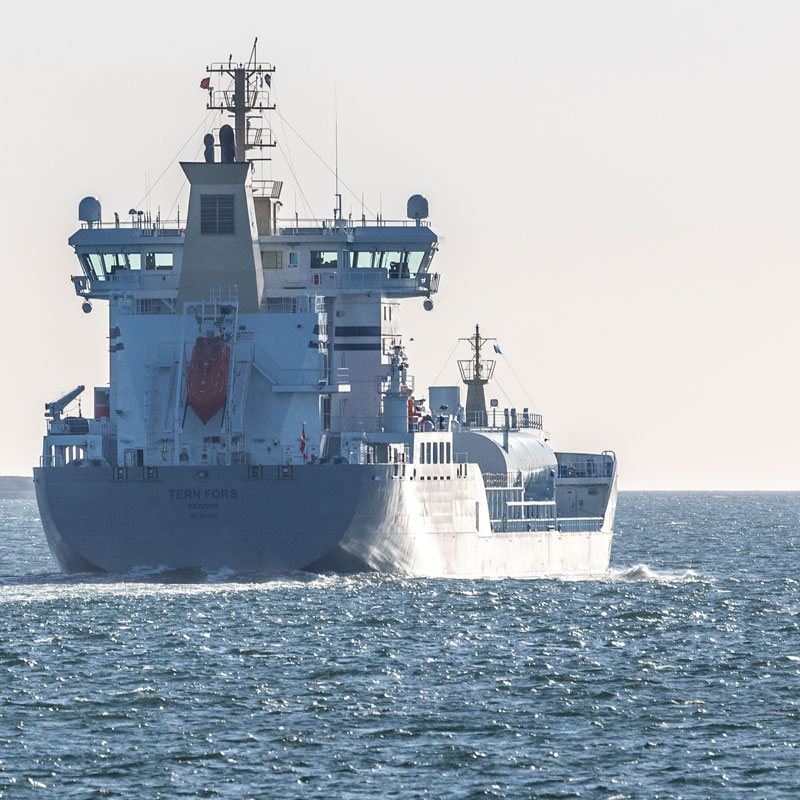
The Southwest Finland Biorefinery produces cost-effective, sustainable fuels for heavy transport, marine vessels and industry, as well as organic fertilisers.

The main product of the biorefinery is liquefied biomethane, i.e. purified biogas. In addition to biomethane, we produce e-methane. All produced gases are liquefied, making them easy to transport, store and use as fuel.

The plant produces 360 gigawatt-hours of liquefied methane annually. This is equivalent to approximately 36 million litres of diesel–enough to replace the annual fuel consumption of 400–500 heavy vehicles.

The power plant to be built in connection with the refinery will also produce electricity from methane. It will operate in the balancing electricity market, meaning it helps stabilise the electricity grid in the event of disturbances. In practice, this improves the security of supply and resilience.

Domestic food production, energy and fertilisers produced locally form the basis of security of supply. Recycled fertilisers even out price fluctuations and improve availability.

According to an estimate by the Ministry of the Environment, 67 percent of the phosphorus load in the Archipelago Sea originates from agriculture. Efforts have long been underway to address eutrophication in the Archipelago Sea and emissions from meat production in Southwest Finland. Now is the time for action.

The biorefinery collects manure from almost the entire area from which nutrients flow into the Archipelago Sea. The refinery can separate hundreds tonnes of phosphorus from manure, which is processed into recycled fertilisers and targeted more effectively. This significantly reduces nutrient runoff into the Archipelago Sea, the Bothnian Sea and nearby waters.

The total phosphorus load in the Archipelago Sea currently stands at 480 tonnes per year.