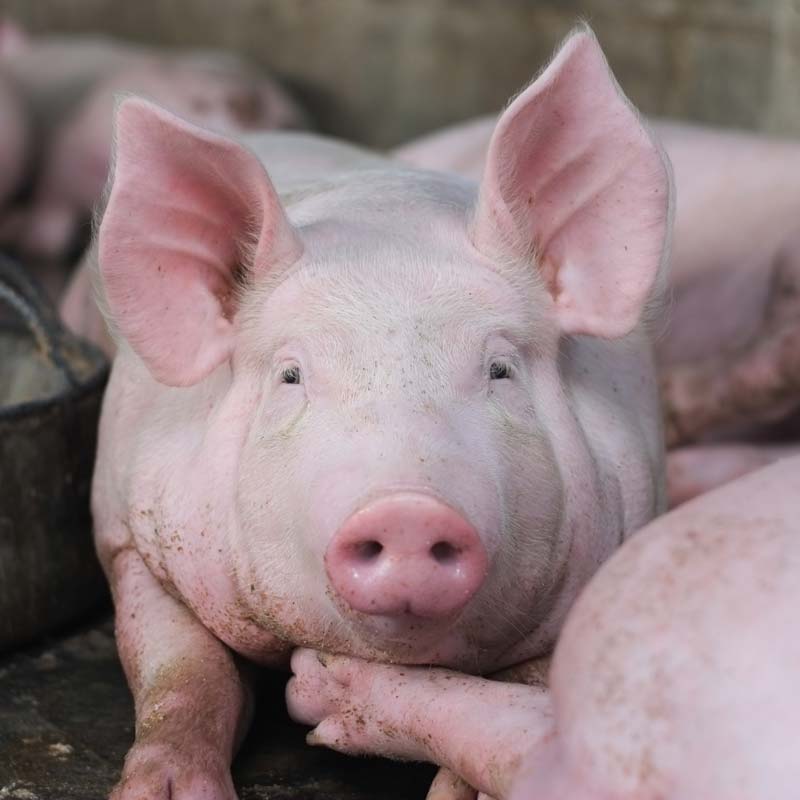


Livestock farms in the region benefit from the biorefinery in many ways. The most significant benefit is that slurry and dry manure generated on farms are processed into digestate. Compared with raw manure, digestate is more uniform in quality, and its nutrients are in a form that is readily utilised by plants. Farms can purchase digestate in the form that best suits their needs.
Odours are reduced when the gasifying compounds in manure are removed in the biorefinery. Hygienisation of manure destroys pathogens, weed seeds and mould spores.
At the same time, the farm’s emissions are significantly reduced, as methane emissions from slurry storage are eliminated and the nutrient cycle becomes more controlled. The nutrient load of the Archipelago Sea is reduced.
Reducing emissions throughout the production chain supports sustainable agriculture. Individual livestock farms will be better equipped to meet future environmental requirements, access better financing and develop their operations. Conditions for business continuity will improve.
When manure processing is centralised at a biorefinery, manure volumes no longer limit the farm’s expansion.